
Understanding Email Marketing Automation
What is Email Marketing Automation?
Email marketing automation refers to the use of software to automate repetitive tasks related to email marketing. This includes sending welcome emails, follow-ups, newsletters, and promotional messages based on specific triggers and user actions. Imagine setting up a machine that sends personalized emails to your subscribers based on their behavior, all while you focus on other important tasks.
Benefits of Email Marketing Automation
The benefits of email marketing automation are immense. It saves time, increases efficiency, and ensures that your audience receives timely and relevant content. Here are some key advantages:
- Personalization at Scale: Tailor messages to individual preferences and behaviors without manual intervention.
- Improved Engagement: Automated emails often have higher open and click-through rates.
- Consistency: Maintain regular communication with your audience without gaps.
- Better Insights: Gain deeper insights into subscriber behavior and campaign performance.
Key Concepts in Email Marketing Automation
To effectively use email marketing automation, it’s crucial to understand the key concepts:
- Triggers: Specific actions or behaviors that initiate an automated email sequence.
- Workflows: A series of automated emails that are sent based on predefined triggers.
- Segmentation: Grouping your audience based on certain criteria to send targeted emails.
- Personalization: Customizing email content to make it more relevant to the recipient.
Getting Started with Email Marketing Automation
Steps to Set Up Your First Automated Email Campaign
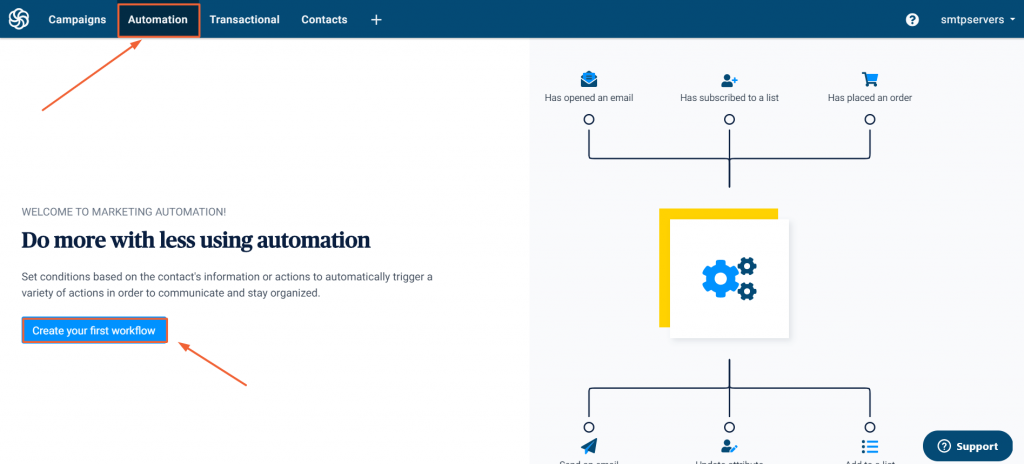
Starting with email marketing automation can seem daunting, but breaking it down into manageable steps makes it easier:
- Define Your Goals: What do you want to achieve with your automated email campaign? This could be increasing sales, nurturing leads, or boosting engagement.
- Choose Your Triggers: Identify the actions that will trigger your automated emails. Common triggers include sign-ups, purchases, and abandoned carts.
- Segment Your Audience: Group your audience based on behavior, demographics, or interests.
- Create Your Emails: Design and write your emails, making sure they are engaging and aligned with your goals.
- Set Up Your Workflow: Use your email marketing tool to set up the sequence of emails and define the triggers.
- Test Your Campaign: Before launching, test your emails and workflow to ensure everything works as expected.
- Launch and Monitor: Start your campaign and monitor its performance. Make adjustments as needed based on the results.
Choosing the Right Email Marketing Automation Tool
Selecting the right tool is crucial for the success of your email marketing automation. Here are some factors to consider:
- Ease of Use: The tool should be user-friendly and easy to navigate.
- Features: Look for features like segmentation, analytics, A/B testing, and integration with other tools.
- Scalability: Ensure the tool can grow with your business.
- Customer Support: Good customer support can save you time and headaches.
ActiveCampaign as a Leading Solution
Overview of ActiveCampaign Features
ActiveCampaign is a leading email marketing automation tool known for its robust features and ease of use. Some of its standout features include:
- Advanced Segmentation: Allows you to create highly targeted email campaigns.
- Personalization: Customize emails based on subscriber data and behavior.
- Automation Workflows: Create complex workflows with ease.
- Integration: Integrates with various third-party tools and platforms.
- Analytics: Provides detailed insights into campaign performance.
How ActiveCampaign Stands Out from Competitors
ActiveCampaign stands out from its competitors due to its comprehensive features, user-friendly interface, and excellent customer support. It offers a perfect balance of simplicity and power, making it suitable for businesses of all sizes.
Crafting Effective Automated Email Campaigns
Best Practices for Creating Engaging Email Content

Creating engaging email content is crucial for the success of your automated campaigns. Here are some best practices:
- Catchy Subject Lines: The subject line is the first thing your recipient sees. Make it interesting and relevant.
- Personalization: Use the recipient’s name and tailor the content to their interests.
- Clear Call to Action: Every email should have a clear and compelling call to action.
- Mobile Optimization: Ensure your emails look good on all devices, especially mobile.
- Visual Appeal: Use images, videos, and a clean layout to make your emails visually appealing.
Segmenting Your Audience for Targeted Campaigns
Segmenting your audience allows you to send more relevant and personalized emails. Here are some ways to segment your audience:
- Demographics: Age, gender, location, etc.
- Behavior: Purchase history, website activity, email engagement, etc.
- Interests: Preferences indicated through surveys or interactions.
- Lifecycle Stage: New subscribers, leads, customers, etc.
Designing Eye-catching Email Templates
An eye-catching email template can make a big difference in your email campaign’s success. Here are some tips:
- Keep It Simple: A clean and simple design is often more effective.
- Branding: Ensure your email reflects your brand’s look and feel.
- Responsive Design: Your email should look good on all devices.
- Visual Hierarchy: Use headings, subheadings, and images to guide the reader’s eye.
Advanced Strategies in Email Marketing Automation
Utilizing AI Tools for Enhanced Marketing Strategies
Artificial Intelligence (AI) is revolutionizing email marketing automation. Here’s how you can leverage AI:
- Predictive Analytics: Use AI to predict customer behavior and tailor your emails accordingly.
- Content Recommendations: AI can suggest relevant content based on the recipient’s interests.
- Send Time Optimization: Determine the best time to send emails for maximum engagement.
Personalization Techniques in Email Automation
Personalization goes beyond using the recipient’s name. Here are some advanced personalization techniques:
- Dynamic Content: Change email content based on the recipient’s behavior or preferences.
- Behavioral Triggers: Send emails based on specific actions, like visiting a website or making a purchase.
- Personalized Recommendations: Suggest products or content based on past behavior.
A/B Testing for Optimizing Campaign Performance
A/B testing is essential for optimizing your email campaigns. Here’s how to do it:
- Test One Variable at a Time: Test different subject lines, email content, or call to action.
- Analyze the Results: Use data to determine which version performs better.
- Make Data-Driven Decisions: Use the insights from A/B testing to improve future campaigns.
Measuring Success in Email Marketing Automation
Key Metrics to Track in Your Email Campaigns
Tracking the right metrics is crucial for measuring the success of your email campaigns. Here are some key metrics to monitor:
- Open Rate: The percentage of recipients who open your email.
- Click-Through Rate (CTR): The percentage of recipients who click on a link in your email.
- Conversion Rate: The percentage of recipients who complete a desired action, like making a purchase.
- Bounce Rate: The percentage of emails that could not be delivered.
- Unsubscribe Rate: The percentage of recipients who unsubscribe from your emails.
Analyzing Data to Improve Future Campaigns
Data analysis is key to improving your email marketing automation. Here are some tips:
- Identify Trends: Look for patterns in your data to understand what works and what doesn’t.
- Segment Your Data: Analyze performance across different segments to gain deeper insights.
- Adjust Your Strategy: Use data insights to refine your email content, timing, and targeting.
Creative Uses of Email Marketing Automation
Non-Traditional Automations that Drive Engagement
Email marketing automation isn’t just for sending newsletters. Here are some creative uses:
- Birthday Emails: Send personalized birthday messages with special offers.
- Re-Engagement Campaigns: Target inactive subscribers with special incentives to re-engage.
- Feedback Requests: Automate requests for feedback after a purchase or interaction.
Integrating Social Media with Email Marketing Automation
Integrating social media with email marketing can enhance your campaigns. Here’s how:
- Social Sharing: Encourage recipients to share their emails on social media.
- Retargeting: Use email data to create targeted ads on social media.
- Cross-Promotion: Promote your social media channels in your emails and vice versa.
Common Mistakes to Avoid
Over-Automation: Finding the Right Balance
While automation can be powerful, over-automation can lead to a robotic and impersonal experience. Find the right balance by:
- Maintaining a Human Touch: Personalize your emails and keep them relevant.
- Monitoring Performance: Regularly review your automated campaigns to ensure they are performing well.
- Adjusting Based on Feedback: Use customer feedback to refine your automation strategy.
Ignoring Mobile Optimization in Email Designs
With more people accessing emails on mobile devices, ignoring mobile optimization can hurt your campaigns. Ensure your emails:
- Have a Responsive Design: Look good on all devices.
- Load Quickly: Avoid large images and heavy content.
- Are Easy to Read: Use a clear and legible font size.
Not Segmenting Your Email List Effectively
Failing to segment your email list can result in irrelevant emails and lower engagement. Effective segmentation involves:
- Regularly Updating Your Segments: Ensure your segments are always up-to-date.
- Using Multiple Criteria: Combine different criteria to create highly targeted segments.
- Testing and Refining: Continuously test and refine your segments for better results.
Notes on Implementing Email Marketing Automation
Continuous Learning and Adaptation in Email Marketing
Email marketing is constantly evolving, and so should your strategies. Keep learning and adapting by:
- Staying Updated: Follow industry trends and updates.
- Experimenting: Don’t be afraid to try new approaches and strategies.
- Learning from Others: Analyze successful campaigns and learn from industry leaders.
The Importance of Customer Feedback and Surveys
Customer feedback is invaluable for improving your email marketing automation. Here’s why:
- Understanding Needs: Gain insights into your customers’ needs and preferences.
- Improving Content: Use feedback to create more relevant and engaging content.
- Building Relationships: Show your customers that you value their opinions.
Frequently Asked Questions
What is the average ROI of email marketing automation?
Email marketing automation typically offers a high return on investment (ROI). On average, businesses can expect an ROI of $42 for every $1 spent on email marketing. This is due to the efficiency and effectiveness of automated campaigns in driving engagement and conversions.
How can I integrate my CRM with email marketing automation?
Integrating your CRM with email marketing automation allows you to leverage customer data for more targeted and personalized campaigns. Most email marketing tools offer integrations with popular CRM systems. You can usually set this up through the settings or integrations menu in your email marketing tool.
What are the best practices for increasing email deliverability?
To increase email deliverability, follow these best practices:
- Maintain a Clean Email List: Regularly remove inactive and invalid email addresses.
- Use a Reputable Email Service Provider: Choose a provider with a good reputation for deliverability.
- Authenticate Your Emails: Use SPF, DKIM, and DMARC to authenticate your emails.
- Monitor Your Metrics: Keep an eye on bounce rates, spam complaints, and other deliverability metrics.
How can I create effective welcome email sequences?
Welcome email sequences are crucial for making a good first impression. Here’s how to create effective ones:
- Send Immediately: Send the first welcome email as soon as someone subscribes.
- Introduce Your Brand: Use the welcome email to introduce your brand and what subscribers can expect.
- Provide Value: Offer a discount, free resource, or valuable content in your welcome email.
- Set Expectations: Let subscribers know how often they will hear from you and what kind of content to expect.
What is the role of A/B testing in email marketing automation?
A/B testing plays a vital role in optimizing email marketing automation. It allows you to test different elements of your emails to see what works best. This can include subject lines, email content, images, calls to action, and send times. The insights gained from A/B testing help you make data-driven decisions to improve your campaigns.
Conclusion
The Future of Email Marketing Automation
The future of email marketing automation looks bright, with advancements in AI and machine learning driving even more sophisticated and personalized campaigns.
Businesses that leverage these technologies will be able to connect with their audiences in more meaningful ways, driving higher engagement and conversions.
Final Thoughts on Leveraging Automation for Business Growth
Email marketing automation is a powerful tool that can help businesses save time, increase efficiency, and drive growth.
By understanding the basics, implementing best practices, and continuously learning and adapting, you can harness the full potential of email marketing automation to achieve your business goals.
Comments
Post a Comment